
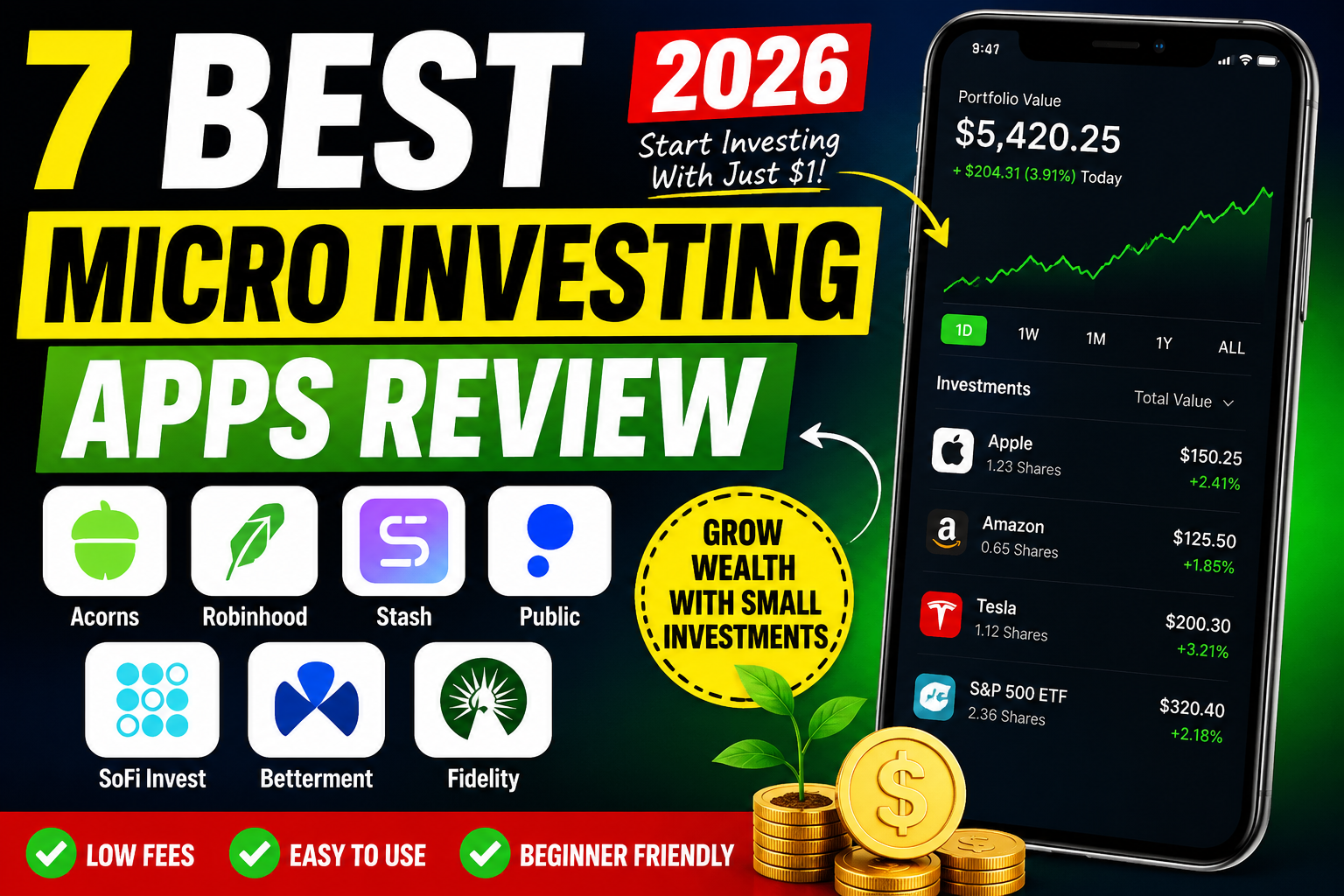
Looking for the best micro investing apps? Compare top apps, fees, features, and beginner-friendly options to grow wealth with small investments in 2026.
Micro Investing Apps Review: The Best Apps for Beginners in 2026
Investing used to feel like an exclusive club.
For decades, many Americans believed that building wealth required thousands of dollars, a financial advisor, and a deep understanding of the stock market. If you didn’t have a large amount of money sitting in your bank account, investing simply felt out of reach.
Today, that reality has completely changed.
With the rise of micro investing apps, almost anyone can begin investing with just a few dollars. Whether you’re a college student, a young professional, or someone trying to improve their financial future, these apps make investing more accessible than ever.
The most exciting part is that you don’t need to be an expert.
Many of these platforms automate investing, help diversify your portfolio, and allow you to buy fractional shares of companies that once seemed impossible to afford.
In this comprehensive Micro Investing Apps Review, we’ll examine the top platforms available in 2026, compare their features, discuss their pros and cons, and help you determine which app best fits your goals.
By the end of this guide, you’ll understand how micro investing works, which apps stand out, and how to start building wealth one small investment at a time.
What Are Micro Investing Apps?
Micro investing apps are mobile platforms that allow users to invest small amounts of money into stocks, ETFs, and diversified portfolios.
Instead of investing hundreds or thousands of dollars, users can begin with as little as $1.
Many apps offer features such as:
- Fractional shares
- Automatic investing
- Portfolio management
- Round-up investing
- Retirement accounts
- Educational resources
The primary goal is to remove barriers that prevent people from investing.
For beginners, this approach can make investing feel less intimidating while helping establish healthy financial habits.
Why Micro Investing Has Become So Popular
Several factors have contributed to the rapid growth of micro investing.
Lower Entry Barriers
The biggest advantage is accessibility.
You no longer need large sums of money to buy shares of major companies.
Fractional investing allows users to purchase small portions of expensive stocks.
Automated Savings
Many apps automatically invest money from your linked bank account.
This helps users stay consistent without constantly thinking about investing.
Financial Education
Modern investing apps include educational tools designed specifically for beginners.
Users can learn while they invest.
Mobile Convenience
Everything happens from a smartphone.
Opening an account often takes less than ten minutes.
Quick Comparison Table
| App | Minimum Investment | Best For | Monthly Fee |
|---|---|---|---|
| Acorns | $5 | Round-Up Investing | Starts at $3 |
| Robinhood | $1 | Stock Investing | Free |
| Stash | $5 | Learning Investors | Starts at $3 |
| Public | $1 | Social Investing | Free |
| SoFi Invest | $1 | All-in-One Finance | Free |
| Betterment | $10 | Robo Investing | Management Fee |
| Fidelity Youth | $0 | Teen Investors | Free |
Acorns Review
Best for Hands-Off Investors
Acorns remains one of the most recognized names in the micro investing industry.
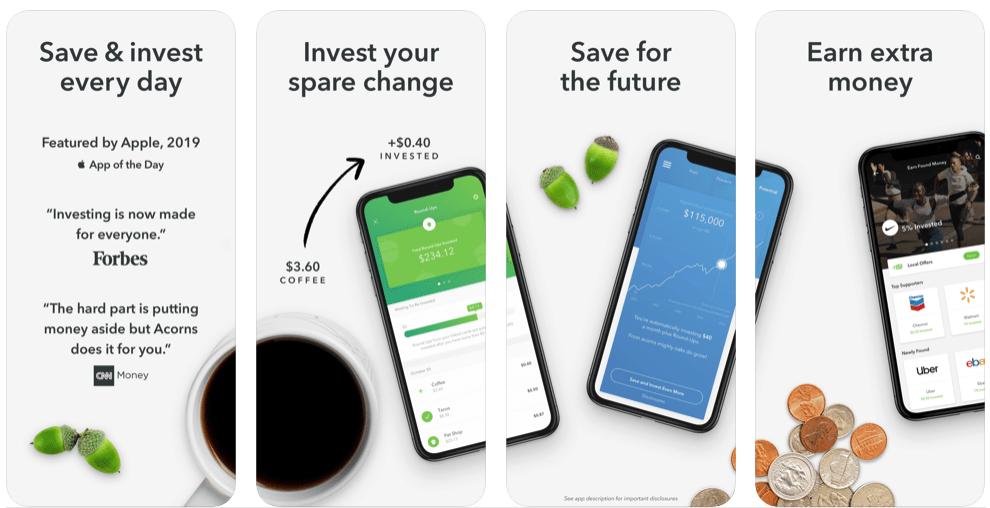
The platform automatically rounds up purchases and invests spare change.
For example, if you spend $3.50 on coffee, Acorns rounds it to $4 and invests the extra $0.50.
Key Features
- Round-up investing
- Automated portfolios
- Retirement accounts
- Checking account integration
- Educational content
Pros
- Extremely beginner-friendly
- Automatic investing
- Diversified ETF portfolios
- Easy account setup
Cons
- Monthly fees can impact very small balances
- Limited customization options
Best For
People who want investing to happen automatically without much involvement.
Robinhood Review
Best for Self-Directed Investors
Robinhood changed the investing industry by introducing commission-free trading.
Today, it remains one of the most popular investing platforms in America.
Features
- Fractional shares
- Stocks and ETFs
- Cryptocurrency investing
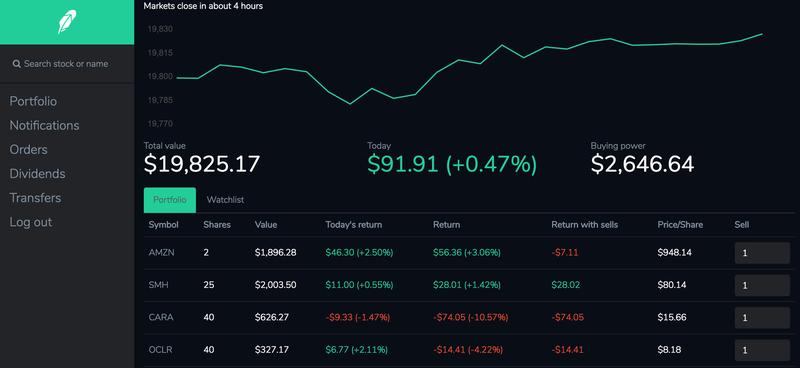
- Real-time market data
- Easy-to-use interface
Pros
- No account minimums
- Free stock trading
- Excellent mobile experience
- Fast account setup
Cons
- Limited educational tools
- Can encourage frequent trading
Best For
Users who want more control over their investments.
Stash Review
Best for Learning While Investing
Stash combines investing with financial education.
Instead of overwhelming beginners with complex terminology, it teaches investing in simple language.
Features
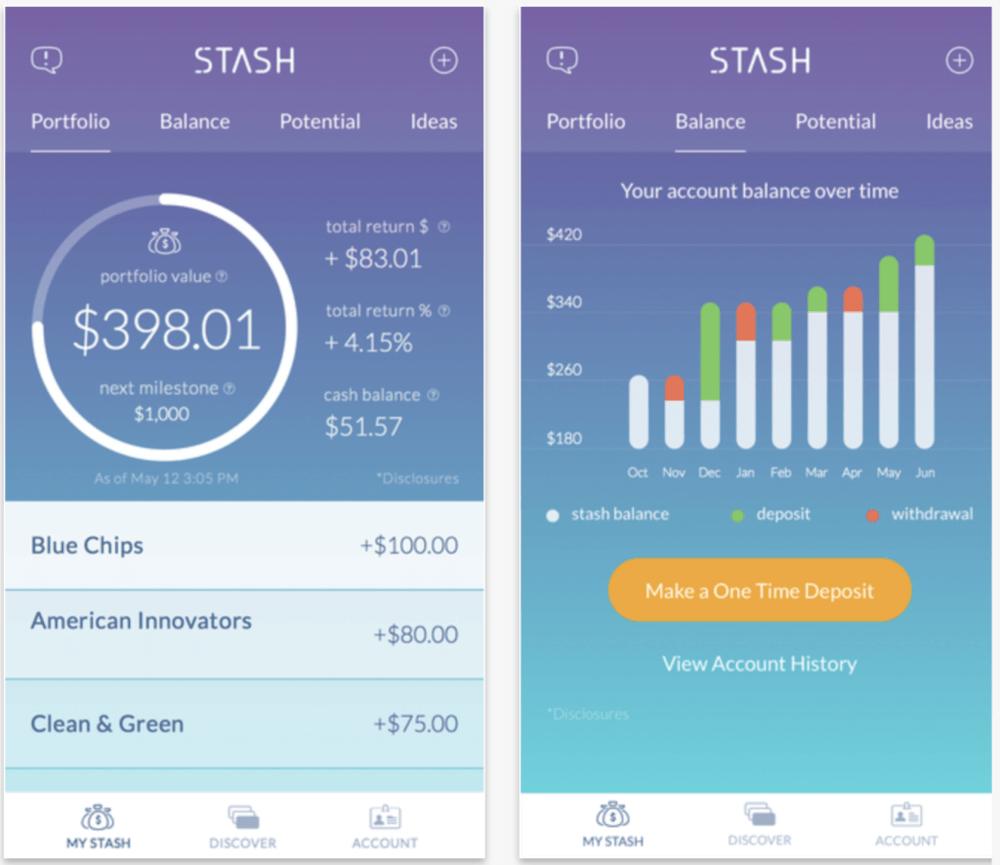
- Personalized portfolios
- Fractional shares
- Educational content
- Automatic investing
Pros
- Great educational resources
- Beginner-friendly interface
- Simple portfolio building
Cons
- Monthly fees
- Fewer investment options than large brokerages
Best For
New investors who want to learn as they build wealth.
Public Review
Best Social Investing App
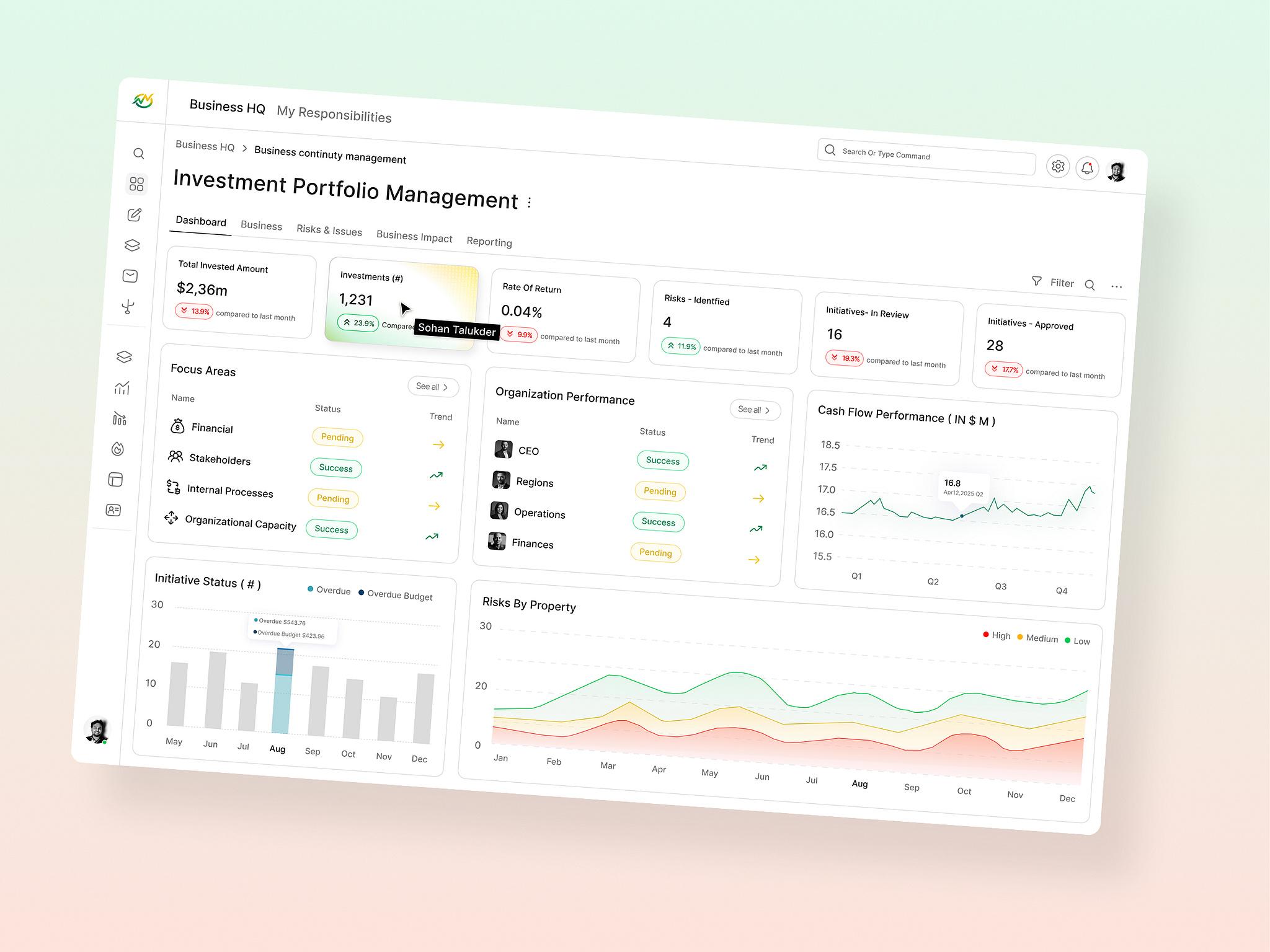
Public offers a unique investing experience by combining investing with community engagement.
Users can follow investors, discuss strategies, and share ideas.
Pros
- Community-driven platform
- Fractional investing
- Transparent investing experience
- No commissions
Cons
- Social influence may impact decisions
- Less automation
Best For
Investors who enjoy learning from others.
Sofi Invest Review
Best All-in-One Financial App
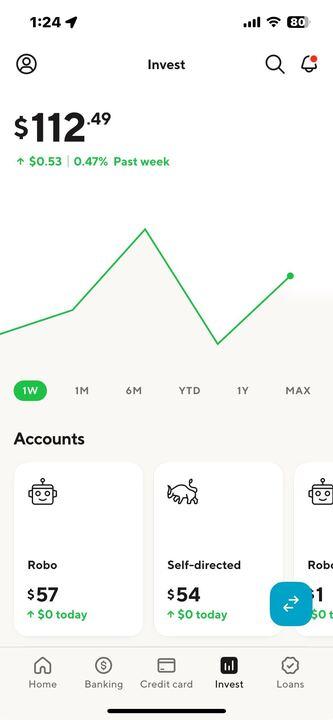
SoFi offers much more than investing.
Users can manage multiple aspects of their finances from a single platform.
Features
- Automated investing
- Active investing
- Banking services
- Credit monitoring
- Financial planning tools
Pros
- No account minimums
- User-friendly interface
- Broad financial ecosystem
- Strong educational support
Cons
- Limited advanced investing features
Best For
People who want one financial app for everything.
Betterment Review
Best Robo-Advisor
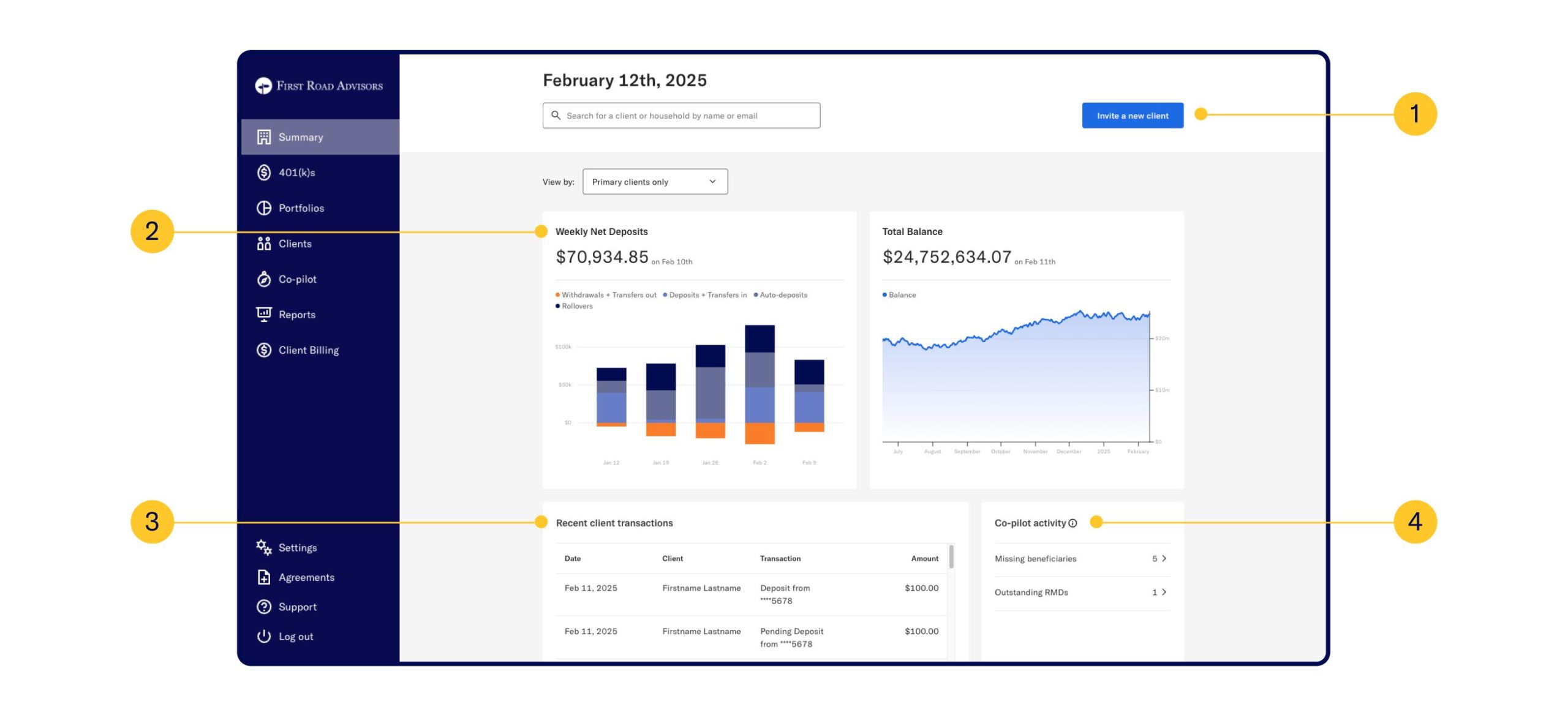
Betterment is designed for investors who want professional portfolio management.
The platform automatically builds and manages a diversified portfolio.
Features
- Goal-based investing
- Automated rebalancing
- Tax-loss harvesting
- Retirement planning
Pros
- Professional portfolio management
- Excellent automation
- Long-term investing focus
Cons
- Management fees
- Less investment control
Best For
Investors who prefer a hands-off approach.
Fidelity Youth Account
Best for Teen Investors
Financial literacy starts early.
Fidelity Youth gives teenagers a safe environment to learn investing basics.
Features
- Parent oversight
- Educational resources
- No account minimums
- Real investing experience
Pros
- Trusted financial institution
- Strong educational support
- No account fees
Cons
- Designed primarily for younger users
How Fractional Investing Works
One of the biggest reasons micro investing has become popular is fractional investing.
Traditionally, investors had to purchase entire shares.
Today, many apps allow investors to buy fractions of a share.
For example:
If a stock costs $500 per share, you can invest $10 and own a small portion of that stock.
This allows everyday investors to gain exposure to large companies without needing substantial capital.
The Power of Compound Growth
Small investments may seem insignificant initially.
However, compound growth can dramatically increase wealth over time.
Imagine investing:
- $25 per week
- Average annual return of 8%
- Investment period of 20 years
Your contributions would total approximately $26,000.
Yet your investment value could exceed $57,000 due to compound growth.
This is why consistency often matters more than the amount you start with.
Are Micro Investing Apps Safe?
Security is one of the most common concerns among beginners.
The good news is that most major investing platforms use industry-standard security measures.
Common protections include:
- Encryption technology
- Multi-factor authentication
- SIPC protection
- Fraud monitoring
However, investors should remember that market investments always involve risk.
No investing app can guarantee profits.
Common Mistakes Beginners Make
Waiting Too Long
Many people delay investing because they think they need more money.
Starting early is often more important than starting big.
Chasing Trends
Buying investments based on hype can lead to poor decisions.
Ignoring Fees
Small fees can have a significant impact on small portfolios.
Lack of Diversification
Investing in only one stock increases risk.
Diversified portfolios help reduce volatility.
How to Choose the Right App
Choosing the best app depends on your goals.
Choose Acorns If
- You prefer automation
- You like round-up investing
- You struggle to save consistently
Choose Robinhood If
- You want stock-picking flexibility
- You enjoy managing investments
Choose Betterment If
- You prefer professional management
- You want long-term portfolio guidance
Choose Stash If
- You’re a beginner
- You want educational support
Choose SoFi If
- You want banking and investing together
Real-World Example
Consider Sarah, a 26-year-old teacher.
She believes she doesn’t earn enough money to invest.
Instead of waiting, she starts investing $10 per week using a micro investing app.
She also activates round-up investing.
Over several years, these small contributions accumulate into a meaningful investment portfolio.
The lesson is simple:
Building wealth is often about consistency rather than large deposits.
Is Micro Investing Worth It?
For most beginners, the answer is yes.
Micro investing:
- Builds investing habits
- Removes financial barriers
- Encourages consistency
- Provides market exposure
- Supports long-term wealth creation
While it won’t make someone rich overnight, it can be an excellent starting point for a long-term investment strategy.
Final Verdict
After completing this Micro Investing Apps Review, one thing becomes clear: investing has never been more accessible.
Whether you have $1, $10, or $100 to invest, today’s micro investing apps make it possible to start building wealth immediately.
Acorns remains a top choice for automated investing.
Robinhood offers flexibility for active investors.
Stash excels in education.
Betterment provides professional portfolio management.
SoFi delivers an impressive all-in-one financial experience.
The best platform ultimately depends on your goals, investing style, and level of involvement.
What matters most isn’t choosing the perfect app.
It’s taking the first step and investing consistently.
The habits you build today can shape your financial future for decades to come.
Frequently Asked Questions
What is the best micro investing app?
Acorns is excellent for automation, while Robinhood is ideal for self-directed investing.
Can I start investing with $1?
Yes. Many platforms allow investments starting at just $1.
Are micro investing apps good for beginners?
Absolutely. Most are designed specifically for beginner investors.
How much money can I earn?
Returns depend on market performance, investment choices, and time horizon.
Are there hidden fees?
Most platforms clearly disclose fees, but investors should always review pricing before opening an account.
Do micro investing apps help build wealth?
Yes. Consistent investing combined with compound growth can significantly increase wealth over time.
Which app has the lowest fees?
Robinhood, Public, and SoFi Invest offer commission-free investing.
Is investing better than saving?
For long-term goals, investing generally offers higher growth potential than traditional savings accounts.