
Discover the latest wellness tech trends, including AI wellness tools, smart sleep devices, and wearable health gadgets.
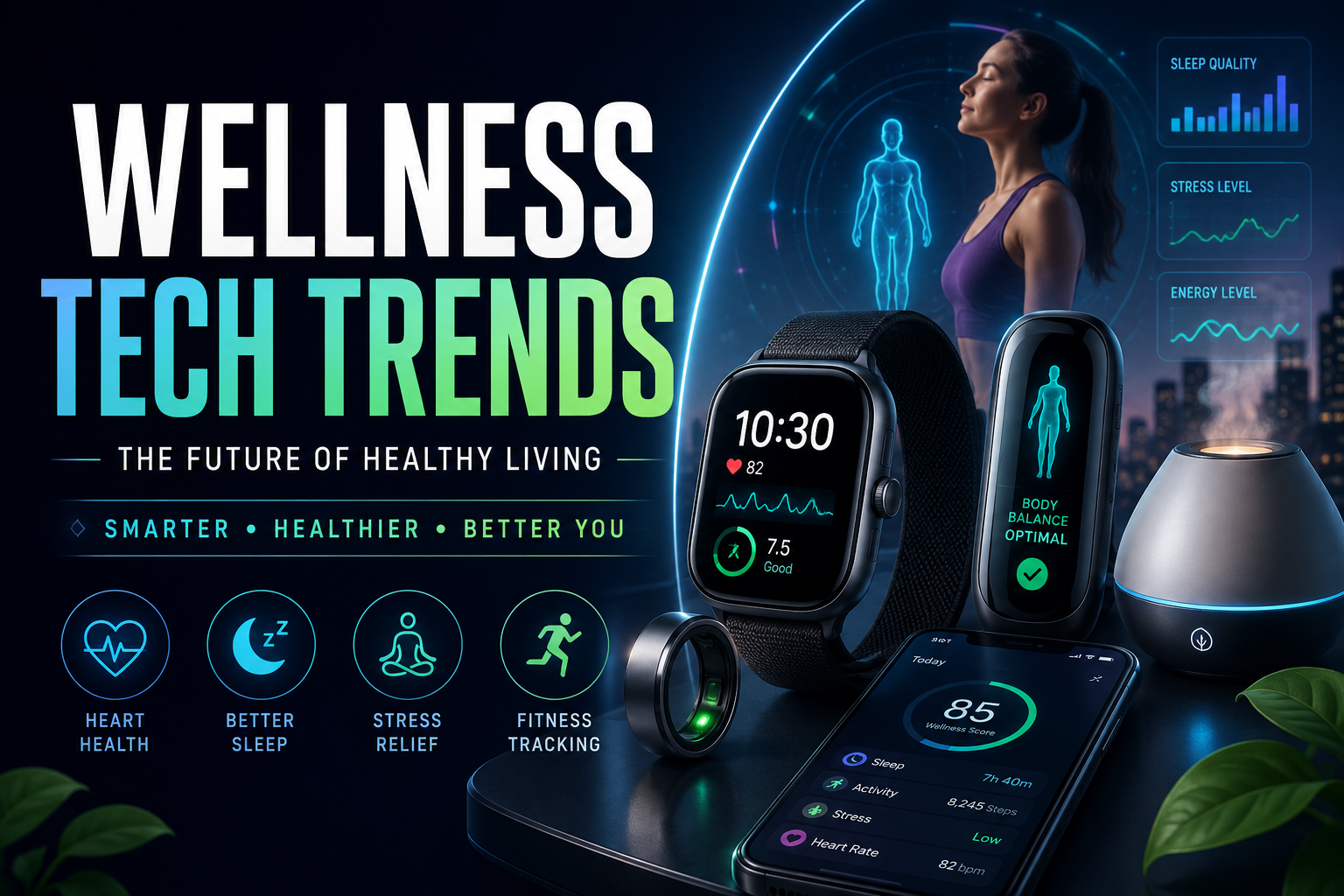
11 Wellness Tech Trends Transforming Healthy Living in 2026
There was a time when wellness meant buying a yoga mat, downloading a meditation app, and promising yourself you’d finally sleep earlier. Now? Your smartwatch tracks stress before you even notice it. Your mattress can monitor recovery. Your mirror can analyze posture and skin health before your morning coffee kicks in.
The way Americans approach health is changing fast — and honestly, it feels more personal than ever.
What makes these new wellness tech trends so fascinating isn’t just the gadgets themselves. It’s the way technology is quietly blending into daily life to solve real problems: burnout, poor sleep, anxiety, fatigue, lack of focus, and even loneliness. People are no longer waiting until they feel unhealthy to take action. They want tools that help them stay energized, balanced, and mentally sharp every single day.
And in 2026, wellness technology is no longer a luxury niche. It’s becoming mainstream.
From AI-powered health coaching to smart recovery devices and personalized nutrition tracking, the wellness industry is entering a new era — one where prevention, personalization, and convenience matter more than ever.
In this guide, we’ll break down the biggest wellness tech trends shaping the future, how they actually work in real life, and which innovations are genuinely worth paying attention to.
Why Wellness Tech Is Booming in 2026
The rise of wellness technology isn’t happening by accident.
Americans are spending more time working remotely, staring at screens, and managing stressful schedules than ever before. That has created growing demand for smarter ways to improve sleep, energy, fitness, and mental health.
Several major shifts are driving the trend:
| Factor | Why It Matters |
|---|---|
| AI personalization | Devices now adapt recommendations in real time |
| Preventive healthcare | People want to avoid health issues before they start |
| Remote work culture | More focus on home wellness setups |
| Mental health awareness | Stress management tools are in high demand |
| Wearable technology growth | Smart devices are more accurate and affordable |
Consumers are also becoming more skeptical. They don’t just want flashy gadgets anymore. They want products that fit naturally into everyday life and produce noticeable results.
That’s why the most successful wellness tech trends today focus on simplicity, personalization, and long-term habit building.
The Biggest Wellness Tech Trends in 2026
1. AI-Powered Personalized Wellness
Artificial intelligence is completely reshaping wellness routines.
Instead of generic advice, AI wellness platforms now analyze your sleep, activity, stress levels, heart rate variability, hydration, and recovery patterns to provide highly personalized recommendations.
Examples include:
- AI sleep coaching
- Adaptive workout plans
- Personalized meal suggestions
- Stress prediction alerts
- Smart recovery scheduling
The biggest advantage? Convenience.
People no longer need to manually track every detail of their health. Smart ecosystems now do most of the work automatically.
Real-World Use Case
A remote worker using an AI-powered wearable might receive:
- A stress warning before burnout symptoms appear
- Suggested breathing exercises during high-pressure meetings
- Sleep optimization tips based on recovery data
- Hydration reminders after elevated heart rate activity
That level of personalization is why AI wellness tools are exploding in popularity.
Pros
- Highly customized insights
- Saves time
- Encourages healthier habits
- Better long-term tracking
Cons
- Privacy concerns
- Subscription costs
- Data overload for some users
2. Smart Sleep Technology Is Becoming Essential
Sleep tech is no longer just for biohackers.
Poor sleep has become one of America’s biggest wellness concerns, and companies are responding with smarter, more advanced solutions.
Popular sleep-focused wellness gadgets now include:
- Smart mattresses
- Sleep-tracking wearables
- Sunrise alarm systems
- White noise machines
- Temperature-regulating bedding
- AI-powered sleep coaching apps
Many devices now monitor:
- Sleep stages
- Oxygen levels
- Heart rate
- Restlessness
- Recovery quality
Why This Trend Matters
People are finally realizing that sleep affects:
- Mood
- Productivity
- Weight management
- Focus
- Immune health
- Mental clarity
Instead of treating sleep as optional, wellness tech trends in 2026 are treating it as foundational.
3. Wearable Wellness Tech Is Smarter Than Ever
Wearables have evolved far beyond counting steps.
Today’s devices can track:
- Stress
- Recovery
- Skin temperature
- Blood oxygen
- Heart rhythm
- Fitness readiness
- Menstrual health
- Emotional patterns
The most interesting shift is that wearables are becoming proactive rather than reactive.
Instead of simply displaying data, devices now provide actionable insights.
For example:
- “You may need recovery today.”
- “Stress levels are elevated.”
- “Sleep debt is affecting performance.”
- “Hydration may be low.”
That subtle guidance is helping users make healthier decisions throughout the day without feeling overwhelmed.
What Consumers Want From Wearables in 2026
- Longer battery life
- Better accuracy
- Less bulky designs
- Seamless app integration
- Actionable recommendations
- Better privacy controls
4. Mental Wellness Technology Is Growing Rapidly
One of the fastest-growing wellness tech trends is mental health support technology.
And honestly, this shift was overdue.
People are searching for ways to manage stress and emotional exhaustion without making wellness feel complicated.
That has led to growth in:
- Meditation apps
- Smart breathing devices
- Mood-tracking journals
- AI therapy assistants
- Digital cognitive behavioral therapy platforms
- Sound therapy systems
Why Users Love Mental Wellness Tech
Many people feel more comfortable starting with digital wellness tools before seeking professional help.
- Privacy
- Accessibility
- Lower costs
- Daily habit support
- Flexible scheduling
Of course, technology should never fully replace licensed medical professionals. But it can absolutely help users build healthier emotional habits.
5. Smart Home Wellness Is Becoming Mainstream
Homes are turning into wellness environments.
Instead of separate gadgets, consumers now want integrated wellness ecosystems that improve daily comfort automatically.
Popular smart wellness home upgrades include:
- Circadian lighting systems
- Air quality monitors
- Smart aromatherapy diffusers
- Water purification systems
- Noise-reduction technology
- Climate-controlled sleep systems
The Air Quality Boom
Indoor air quality has become a major concern in recent years.
Modern air purification systems now track:
- Pollutants
- Humidity
- Allergens
- Temperature
- Airborne particles
And because many Americans spend most of their time indoors, this wellness tech trend is likely to keep growing.
6. Recovery Technology Is Replacing “Push Harder” Fitness Culture
Fitness culture is shifting.
Instead of glorifying exhaustion, people are becoming more focused on recovery and sustainable health.
That’s why recovery-focused wellness gadgets are exploding in popularity.
Examples include:
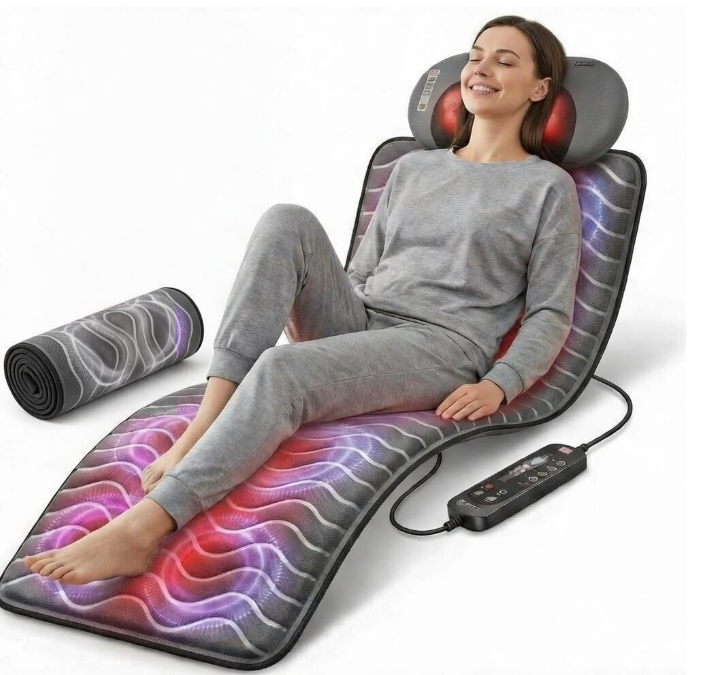
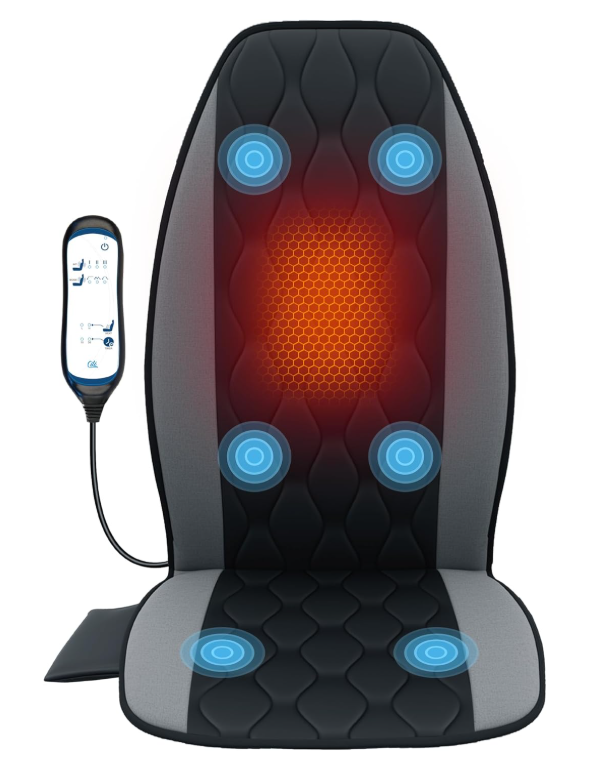
- Percussion massage devices
- Compression therapy systems
- Infrared recovery tools
- Smart foam rollers
- Cold therapy equipment
- Recovery tracking wearables
Why Recovery Tech Matters
Better recovery can help with:
- Muscle soreness
- Sleep quality
- Athletic performance
- Stress reduction
- Injury prevention
Consumers are learning that progress isn’t just about working harder. It’s also about recovering smarter.
7. Personalized Nutrition Technology
Generic diets are fading fast.
People now want nutrition guidance tailored to:
- Lifestyle
- Activity level
- Sleep quality
- Blood sugar response
- Fitness goals
- Health conditions
New wellness tech trends are making personalized nutrition more accessible through:
- Smart kitchen devices
- AI nutrition apps
- Continuous glucose monitoring
- Hydration tracking
- Supplement personalization services
Interesting Shift in Consumer Behavior
Instead of chasing extreme diets, users are becoming more interested in sustainable eating habits supported by real-time data.
That’s a major mindset shift.
Are Wellness Gadgets Actually Worth It?
This is the question people ask most.
And the honest answer is: it depends on how you use them.
The best wellness technology:
- Encourages healthier habits
- Simplifies routines
- Provides useful insights
- Fits naturally into daily life
The worst wellness products?
They create unnecessary stress, overwhelm users with data, or promise unrealistic results.
Before Buying Wellness Tech, Ask Yourself:
- Will I realistically use this regularly?
- Does it solve a real problem in my life?
- Is the data actionable?
- Does it support long-term habits?
- Is it backed by trustworthy research?
Smart consumers are becoming more selective, and that’s pushing brands to improve quality.
How Wellness Tech Trends Are Changing Healthcare
One of the biggest long-term impacts of wellness technology is prevention.
Instead of waiting until health issues become serious, people now have tools that help detect patterns earlier.
- Stress monitoring
- Heart irregularity alerts
- Sleep disorder indicators
- Activity tracking
- Recovery analysis
Healthcare providers are also paying closer attention to wearable-generated data.
While these devices are not replacements for professional medical care, they can provide valuable lifestyle insights that support healthier decisions.
The Privacy Concerns Around Wellness Technology
Not every wellness tech trend is perfect.
Many devices collect highly personal health information, which raises important privacy questions.
Consumers should always:
- Review privacy policies
- Understand what data is collected
- Check app permissions
- Use strong account security
- Research company reputations
Trust will become one of the biggest competitive advantages in wellness technology moving forward.
The Future of Wellness Tech Trends
The next phase of wellness technology will likely focus on deeper personalization and invisible integration.
Future innovations may include:
- Emotion-responsive environments
- AI wellness companions
- Smarter preventive health systems
- Advanced biometric tracking
- Personalized longevity programs
The goal isn’t just more technology.
It’s technology that feels effortless and genuinely helpful.
And that’s the difference consumers care about most.
Quick Comparison: Most Popular Wellness Tech Categories
| Wellness Category | Main Benefit | Best For |
|---|---|---|
| Wearables | Health tracking | Everyday wellness |
| Sleep Tech | Better rest | Poor sleepers |
| Recovery Devices | Muscle relief | Fitness enthusiasts |
| Mental Wellness Apps | Stress management | Busy professionals |
| Smart Home Wellness | Better environment | Families & remote workers |
| Nutrition Tech | Personalized eating | Health-conscious users |
Conclusion
The most exciting thing about today’s wellness tech trends isn’t the technology itself.
It’s the growing realization that health doesn’t have to feel overwhelming anymore.
People want realistic solutions that fit into busy lives. They want tools that help them sleep deeper, recover faster, stress less, and feel more in control of their well-being.
And when wellness technology is done right, that’s exactly what it delivers.
Not perfection.
Not futuristic gimmicks.
Just smarter support for everyday life.
As wellness continues evolving in 2026, the brands and devices that succeed won’t necessarily be the flashiest. They’ll be the ones that genuinely help people feel better in practical, sustainable ways.
And honestly, that’s a trend worth paying attention to.
FAQ: Wellness Tech Trends
What are the biggest wellness tech trends in 2026?
The biggest wellness tech trends include AI-powered health coaching, smart sleep systems, wearable wellness devices, recovery technology, mental wellness apps, and personalized nutrition platforms.
Are wellness gadgets scientifically backed?
Some wellness devices are backed by strong research, while others rely more heavily on marketing claims. Consumers should look for trusted brands, expert reviews, and clinical studies when possible.
Is wellness technology safe to use daily?
Most mainstream wellness devices are designed for daily use. However, users should always follow manufacturer guidelines and consult healthcare professionals for medical concerns.
Which wellness tech products are most popular right now?
Popular categories include:
- Smartwatches
- Sleep trackers
- Air purifiers
- Recovery devices
- Meditation apps
- AI wellness platforms
How do wellness tech trends improve daily life?
They can help users:
- Sleep better
- Reduce stress
- Track fitness
- Build healthier habits
- Improve productivity
- Stay more aware of their health patterns